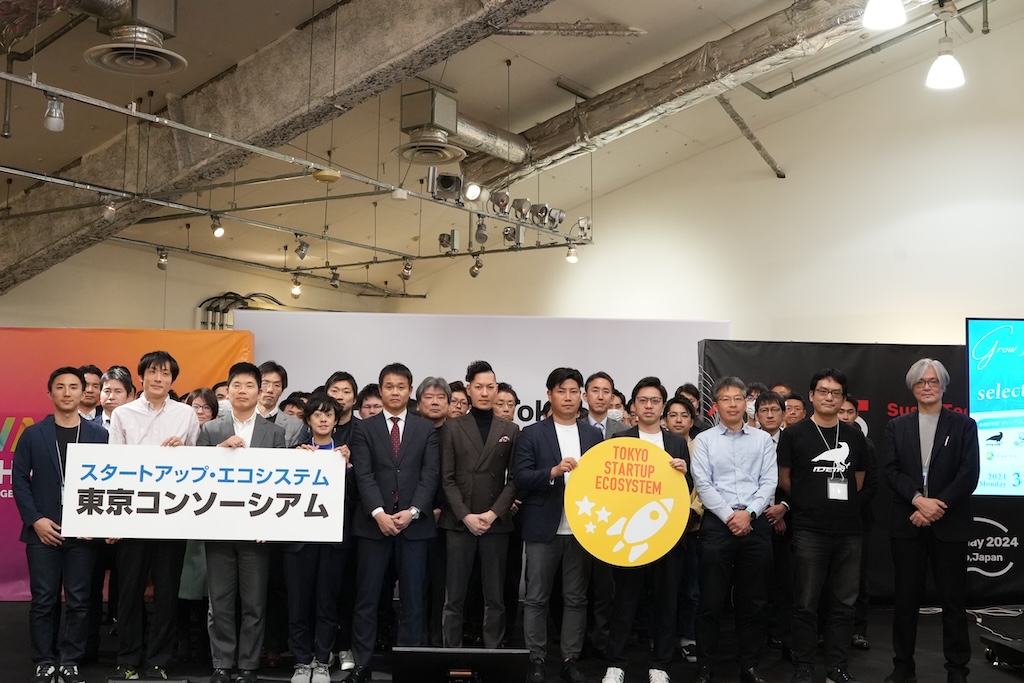
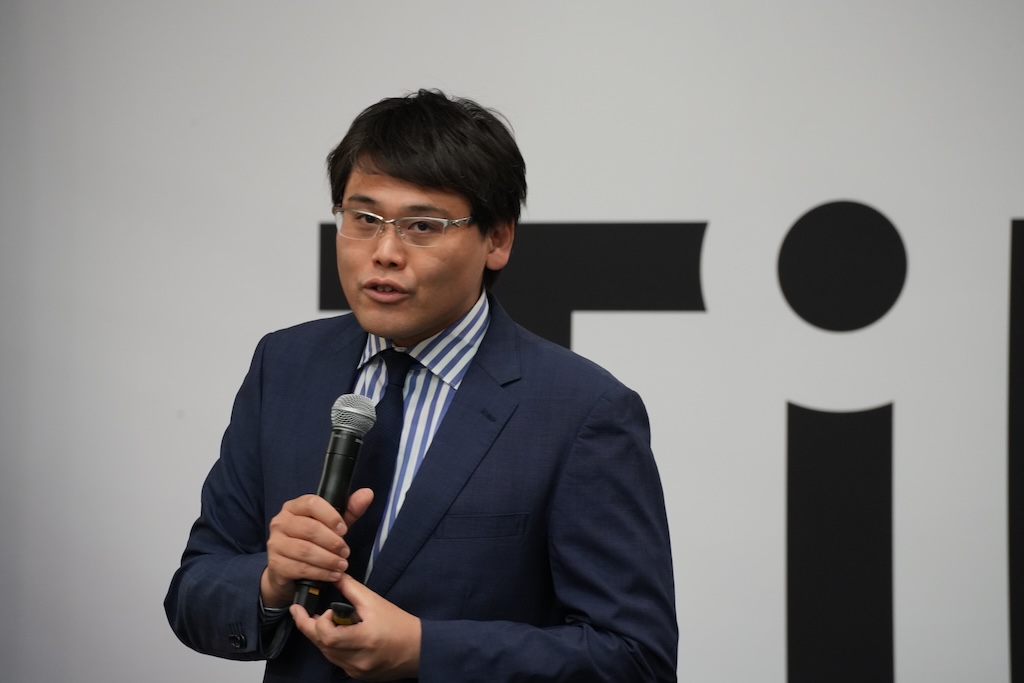
The Tokyo Consortium, as the hub city for the startup ecosystem promoted by the Cabinet Office, is engaged in two major activities in cooperation with Kanagawa, Ibaraki, Chiba, and other prefectures. The first is to provide opportunities for various people from industry, academia, government, and the private sector to connect through events and working groups. The second is an initiative called the Deep Ecosystem, which selects carefully vetted companies and provides individual support to those with the potential to become future unicorns.
Today's event serves as a forum to report on the achievements of companies selected for the Deep Ecosystem and Green Startup Support programs.
Panel Session 1: "Sales Channel Expansion and Overseas Expansion Strategy"
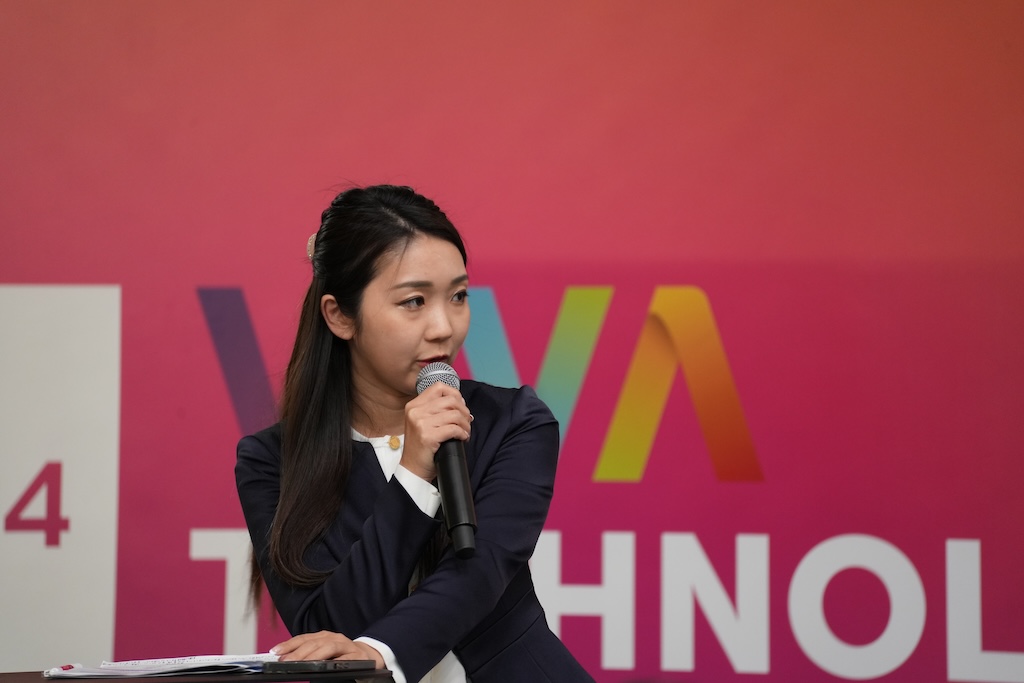
Saito: Please tell us about your business introduction, the challenges you're facing, and the support you received from the Tokyo Consortium that you found beneficial.
I Robotics Co., Ltd. President and CEO: Yoshiyasu Ando
Ando: We provide resource-saving solutions through robotics, aiming to address societal challenges like workforce decline and facility aging through mechanization, remote operation, and automation. To overcome the challenge of being perceived as indistinguishable from competitors, we engaged partners unfamiliar with drones to facilitate introductions and applications that could serve as a foothold for overseas expansion.
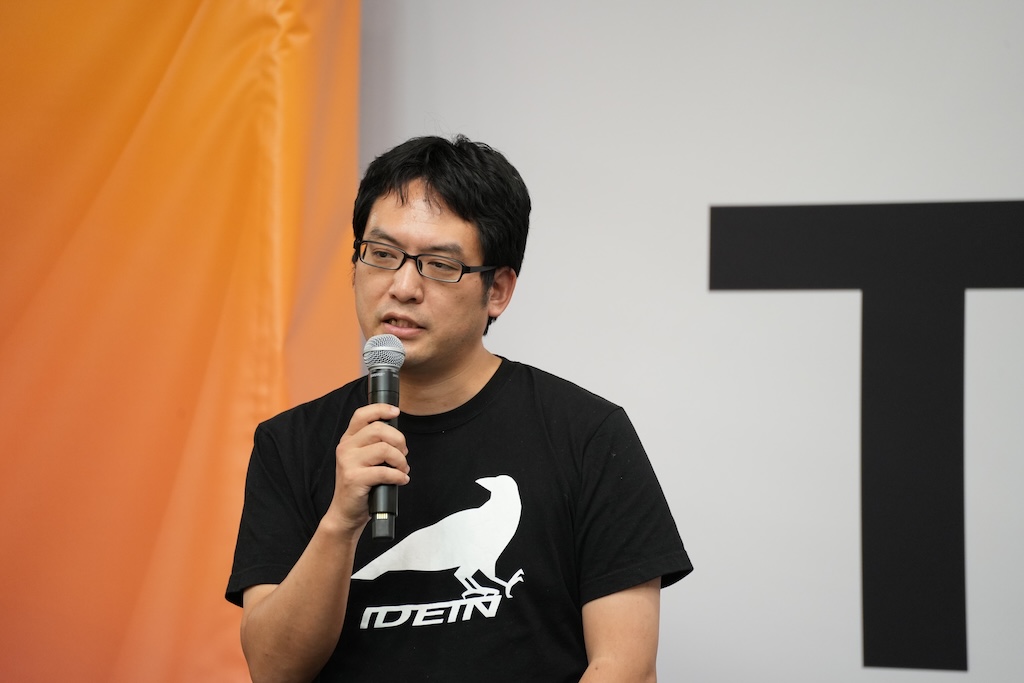
Nakamura: We are developing "Actcast," a broad edge AI platform that enables the collection and utilization of real-world data through image and audio analysis technologies. Amid the AI boom, improving the "non-AI aspects" is essential for practical implementation on-site. The challenge lies in the platform's nature, which makes sales difficult. We were introduced to major department stores and railway companies, enabling us to advance concrete business negotiations.
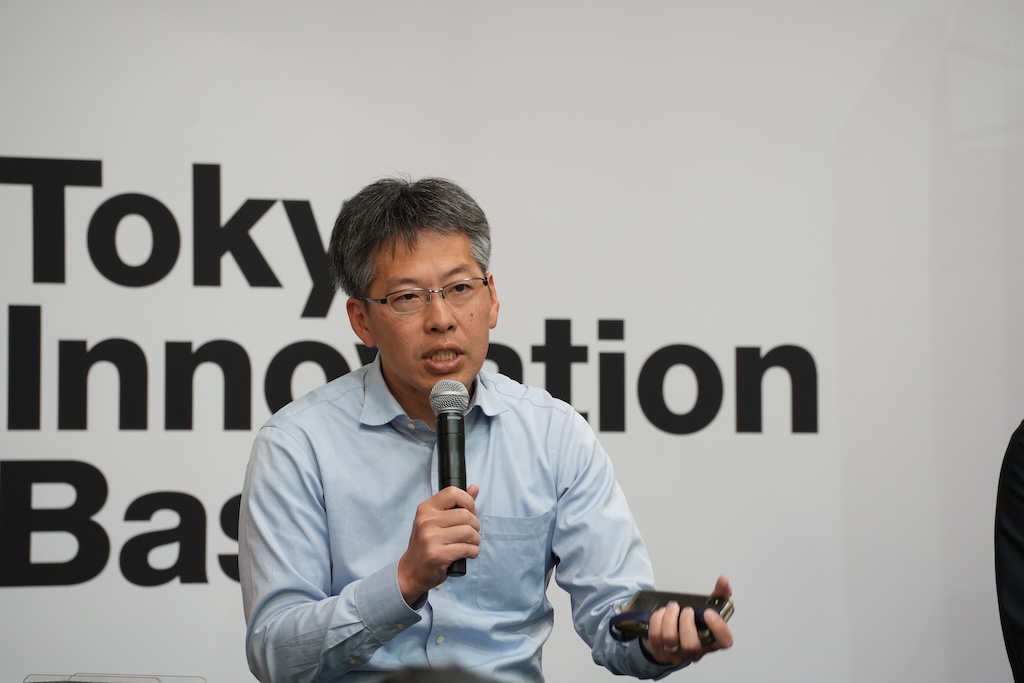
Shimada: We develop, manufacture, and sell domestically produced drones and systems that handle everything from hardware design to data analysis. Our vertical takeoff and landing fixed-wing (VTOL) models are used by government agencies for applications requiring long-distance, wide-area flight. Even with companies we've met before, introductions from Deloitte to different departments can sometimes change how discussions progress.
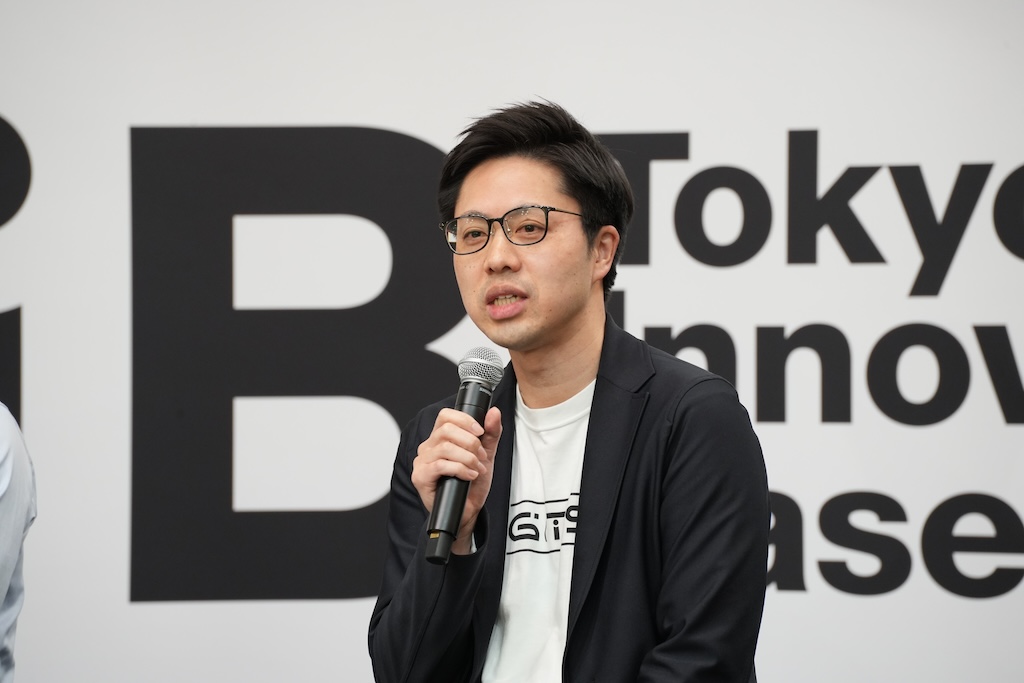
Kamei: We provide financial inclusion-focused fintech services for the world's underserved populations, developing IoT devices for remote vehicle start control and data analytics platforms. The support came from a certified public accountant, which was helpful because we could freely consult on "things we wanted to ask audit firms but couldn't" while aiming for an IPO.
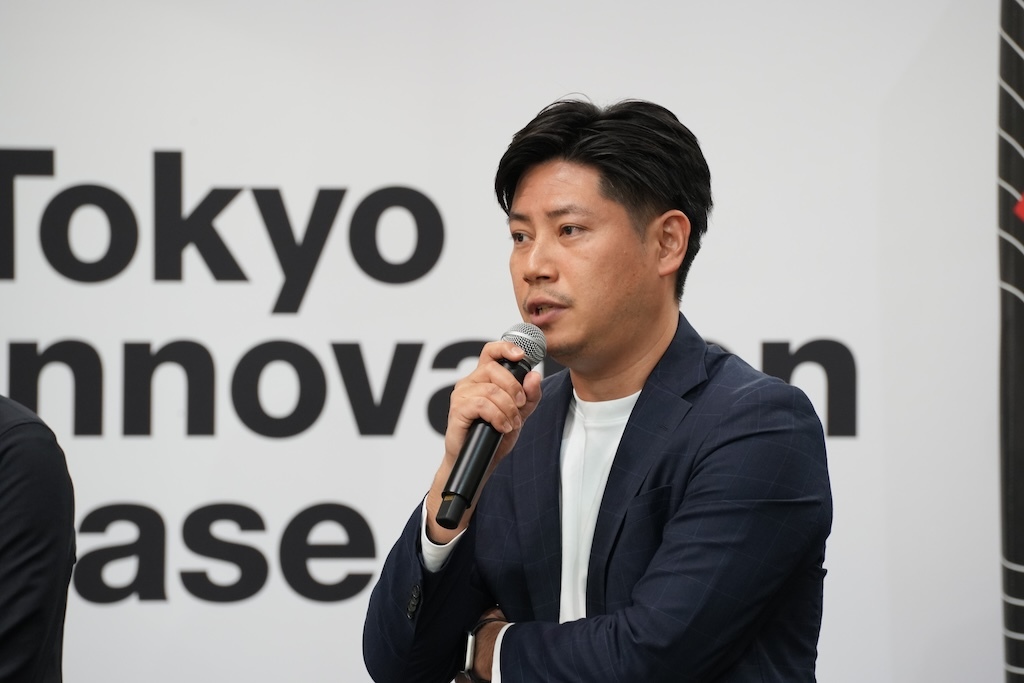
Kitamura: We are developing services and products that automate equipment inspections and worksite management for transmission facilities, plant facilities, construction sites, and similar environments. In addition to approaching companies in industries like oil and steel, we collaborated on decarbonization case simulations and were able to quantify the actual amount of CO2 that can be reduced.
Saito: Please tell us what you'd like to do together with the people here today and what kind of support you'd like to see going forward.
Ando: Many new technologies and the solutions they enable can only be truly understood through hands-on experience. I would like to request opportunities for themed showcase events.
Nakamura: To solve challenges, it's crucial to visualize the field data we've collected and expand it horizontally across sectors. We ask the government to take the lead and establish a system that connects horizontally using data as the core.
Shimada: I want to work with government agencies, local authorities, and those interested in related businesses to prepare for disasters using vertical takeoff and landing (VTOL) fixed-wing aircraft.
Kamei: I want to build a talent exchange ecosystem where people join venture companies not as customers but as members, and then take what they learn back to large corporations to put it to use.
Kitamura: We'd like to borrow assets from Tokyo Metropolitan Government and large corporations. We want to use feedback on whether they're usable or not to create a better service.
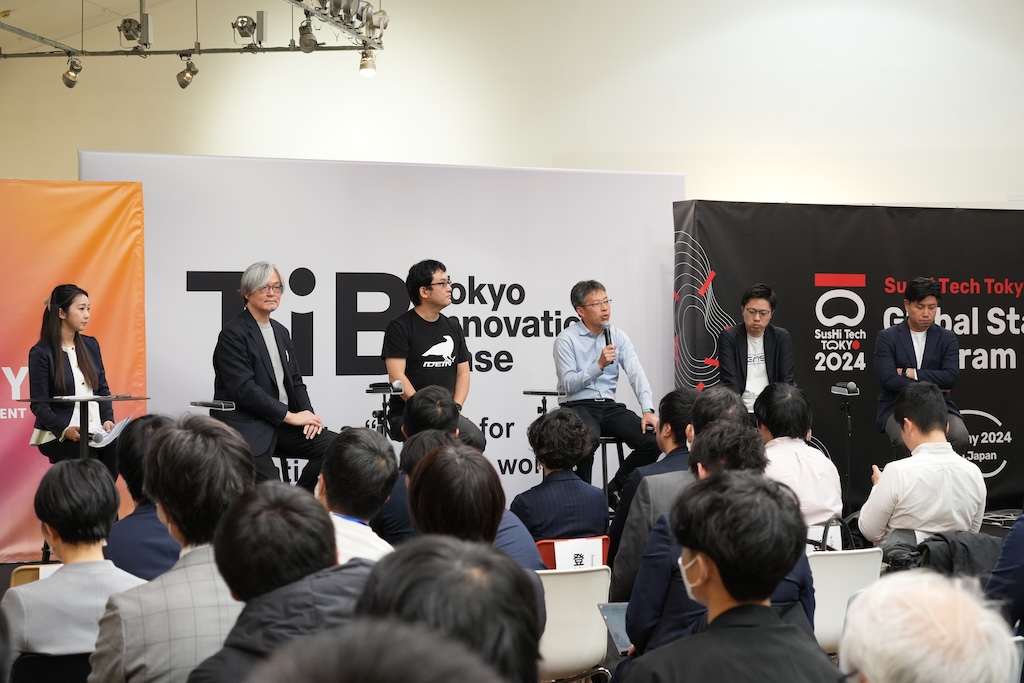
Panel Session 2: "Solving Social Issues"
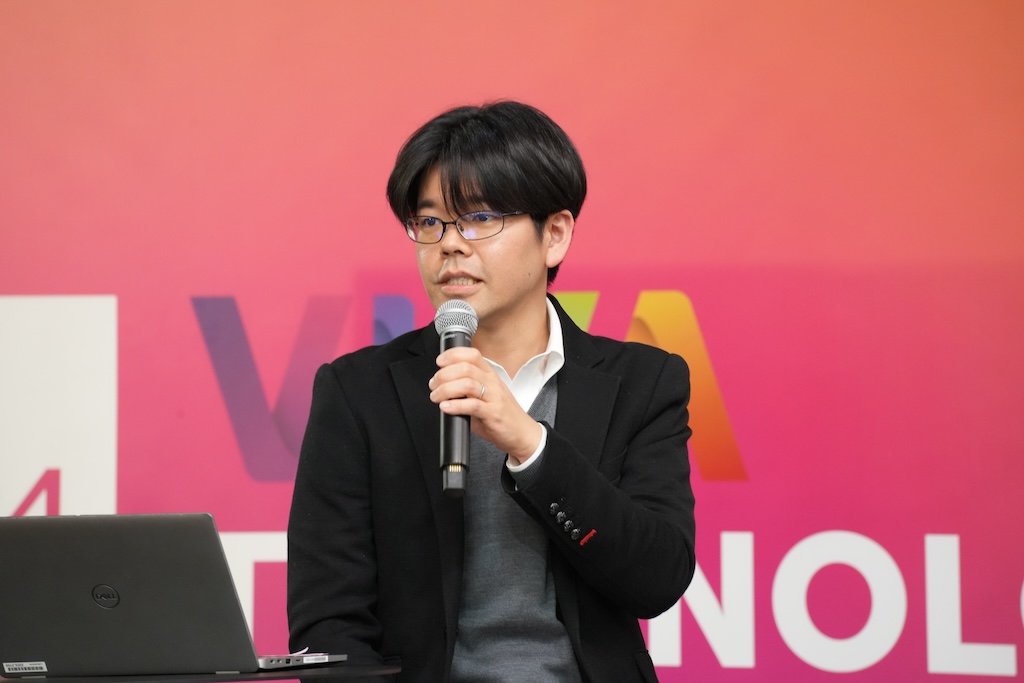
Kikuchi: Please tell us about your business, the challenges you're facing, and the support you received from the Tokyo Consortium that you found beneficial.
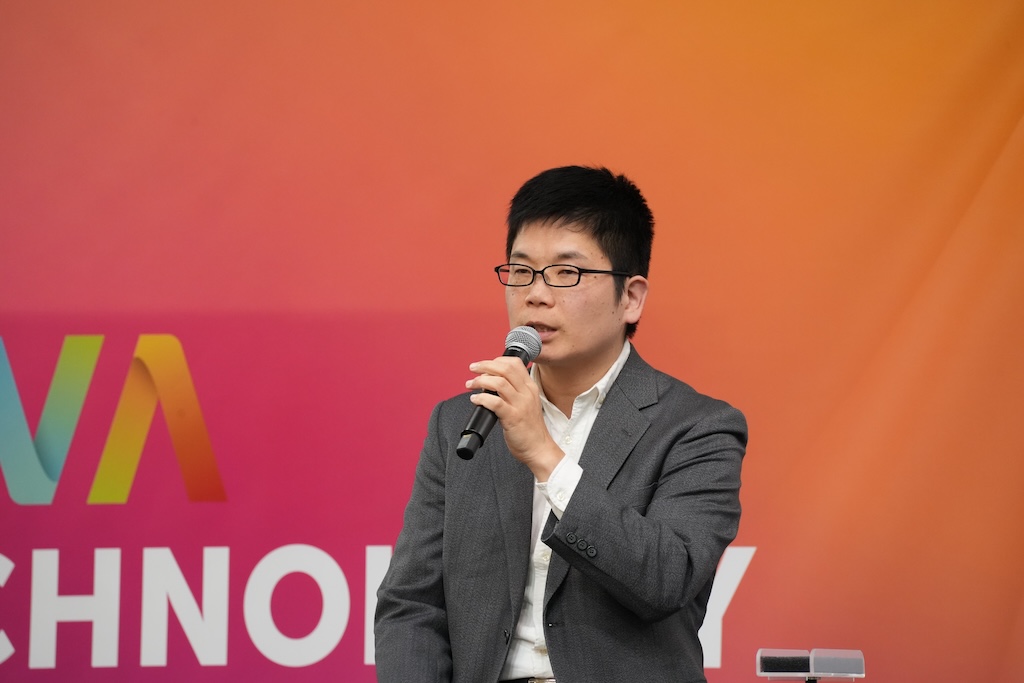
Kubo: We aim to solve waste problems by generating glass through CO2 adsorption and solidification. We received many inquiries from Europe, and business matching was conducted with a focus on how to expand into the Western market. We were also presented with new business ideas utilizing our technology.
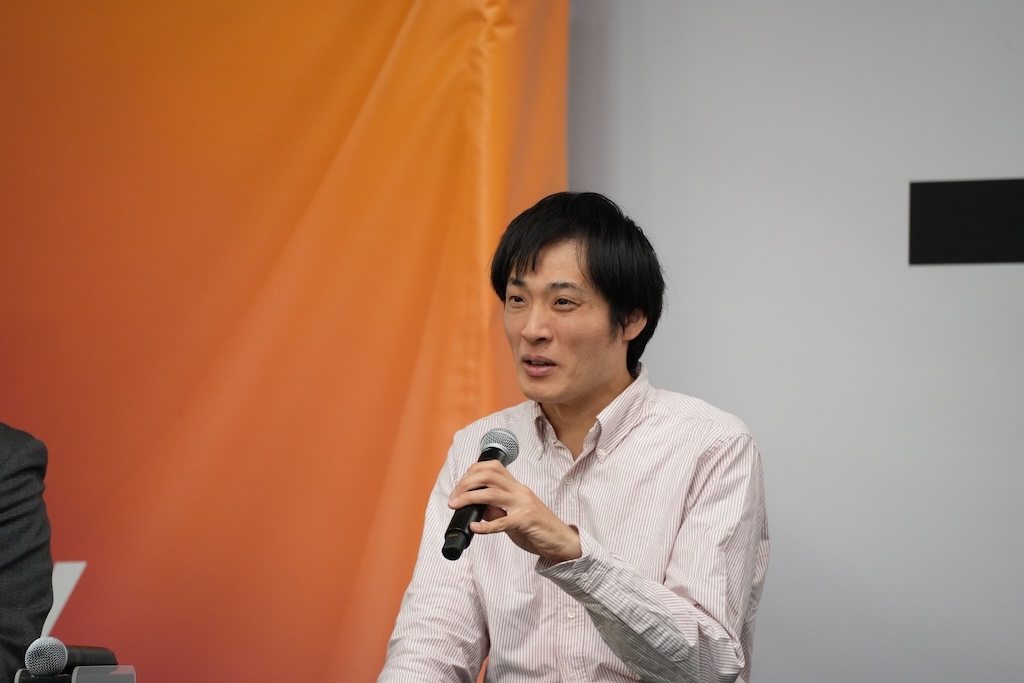
Hanyu: With our proprietary universal large-scale culture system at its core, we are developing businesses such as cosmetics and supplements using cultured supernatant. We are also establishing infrastructure that enables the versatile application of our cultured meat production technology. Amidst a nationwide decline in risk capital, our business strategy itself was uncertain, and securing cash flow was a concern. However, they provided meticulous support across a wide range of consultations, including introducing potential customers.
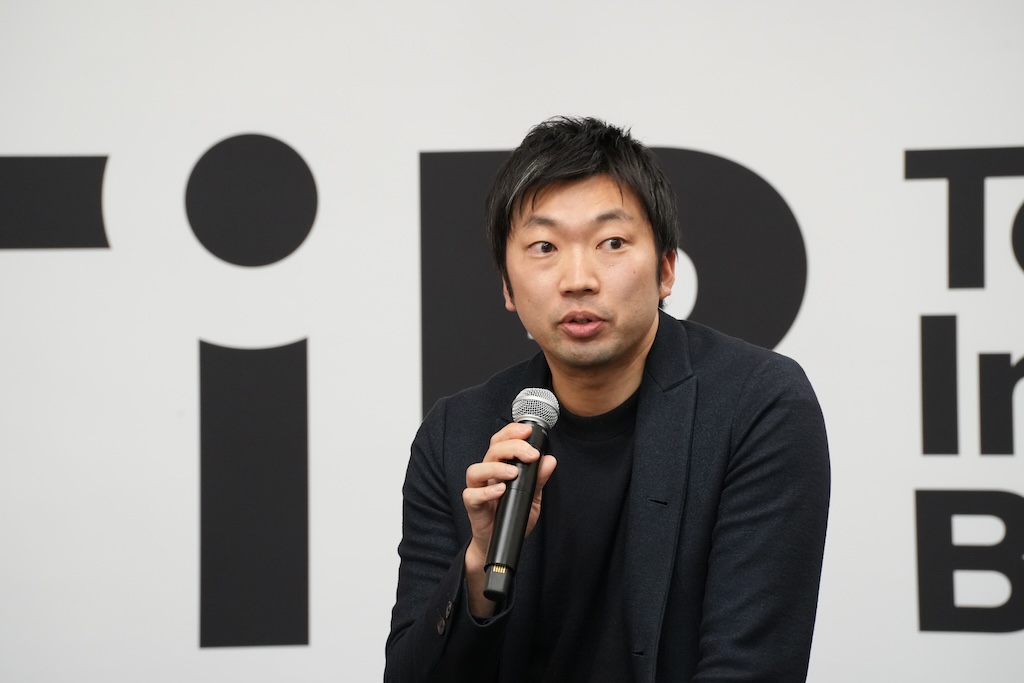
Ohkita: We operate carbon credit trading and exchange businesses. We developed "Agreen," a one-stop platform service that provides comprehensive support from credit creation and registration to application and sales. They help us identify opportunities in overseas markets and provide concrete advice on how to present and explain our approach when applying to accelerator programs.
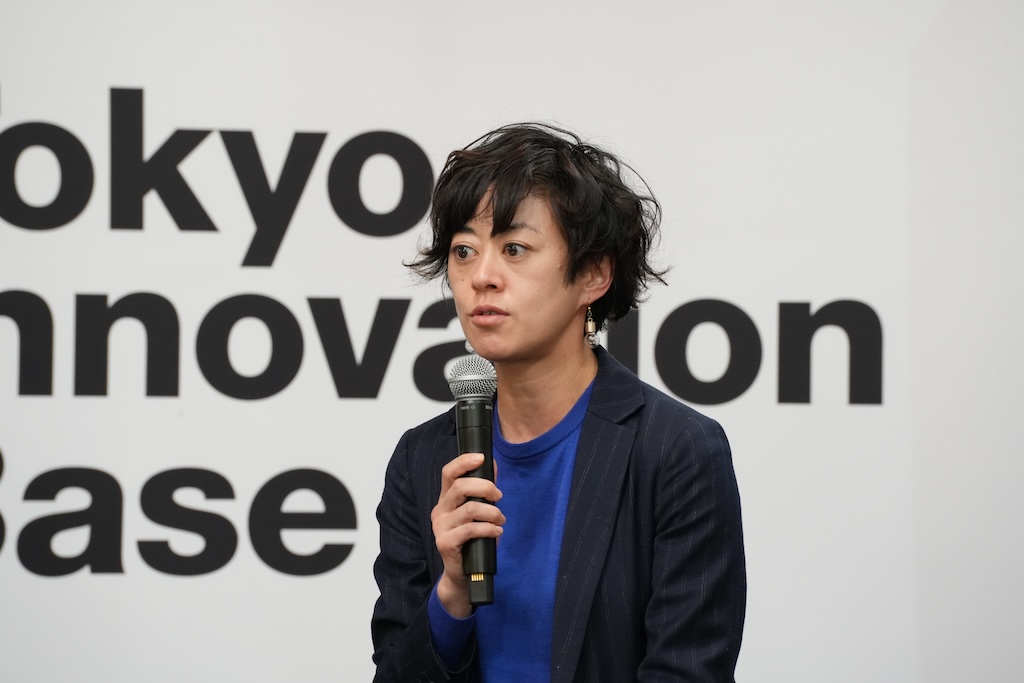
Hori: We operate a renewable energy management platform equipped with simulation capabilities for business planning stages—such as renewable energy power plants and storage batteries—and portfolio management functions. We also received advice on areas often neglected during fundraising, including sales, lead generation, talent acquisition, and organizational structure.
Kikuchi: What kind of collaboration would you like to pursue with people from large corporations, VCs, and startups?
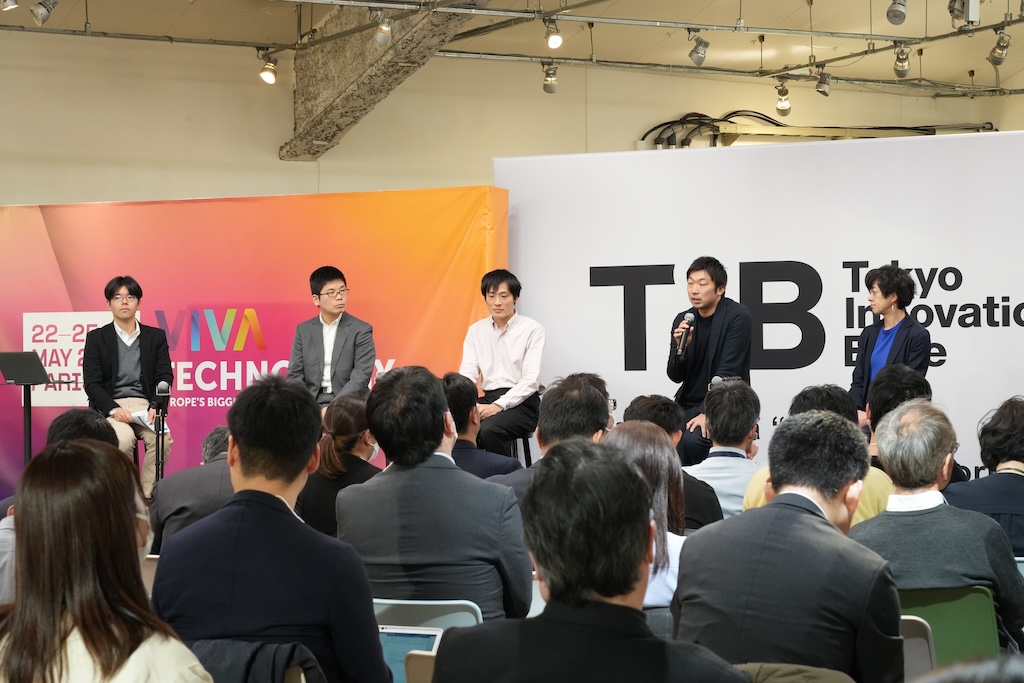
Kubo: We would greatly appreciate your cooperation in areas where it would be difficult for us to manage alone, particularly in large-scale experiments that involve enormous costs.
Hanyu: Now that we've cleared the lab experiments, we need to thoroughly implement quality control going forward. It would be very helpful to connect with personnel from large corporations who are knowledgeable in that area.
Ohkita: I'd like you to join us in creating carbon credits. Even if you're aiming for 2030, please take this opportunity to experience it once.
Hori: While renewable energy still falls short of demand, we hope large corporations with unused land or rooftops will consider renewable energy generation as one option.
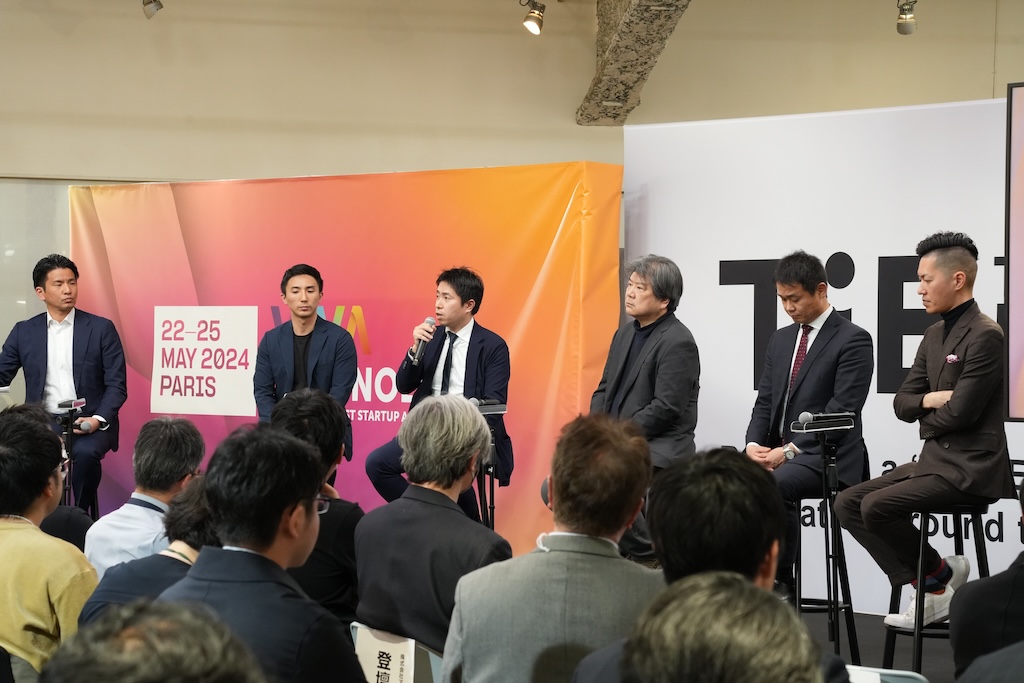
Panel Session 3: "Startups Originating from Universities and Research Institutes"
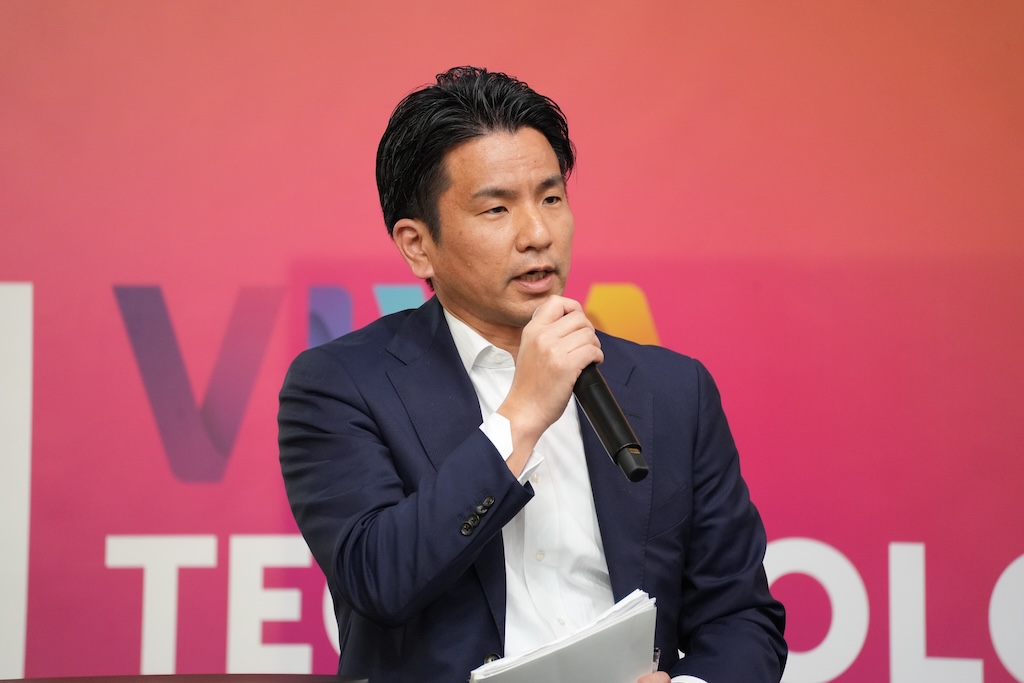
Miyazawa: Please tell us about your business introduction, the challenges you're facing, and the support you received from the Tokyo Consortium that you found beneficial.
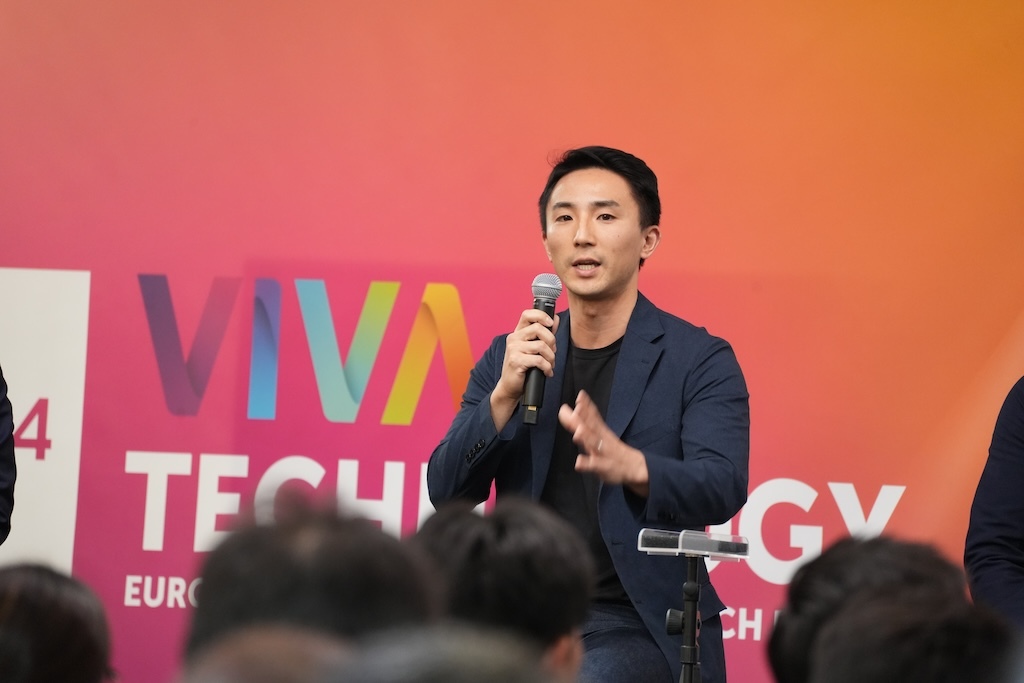
Kita: As a development platform, we screen and select the optimal microalgae for our clients' needs from a library of 70 species and 500 strains, then license out the technology. Regarding overseas expansion, while the target market is broad, we lacked sufficient manpower and struggled with information gathering. While continuing efforts to increase staffing, we asked for help compiling a list focused primarily on macro and micro market information and regulatory data to identify key target regions, particularly in Southeast Asia.
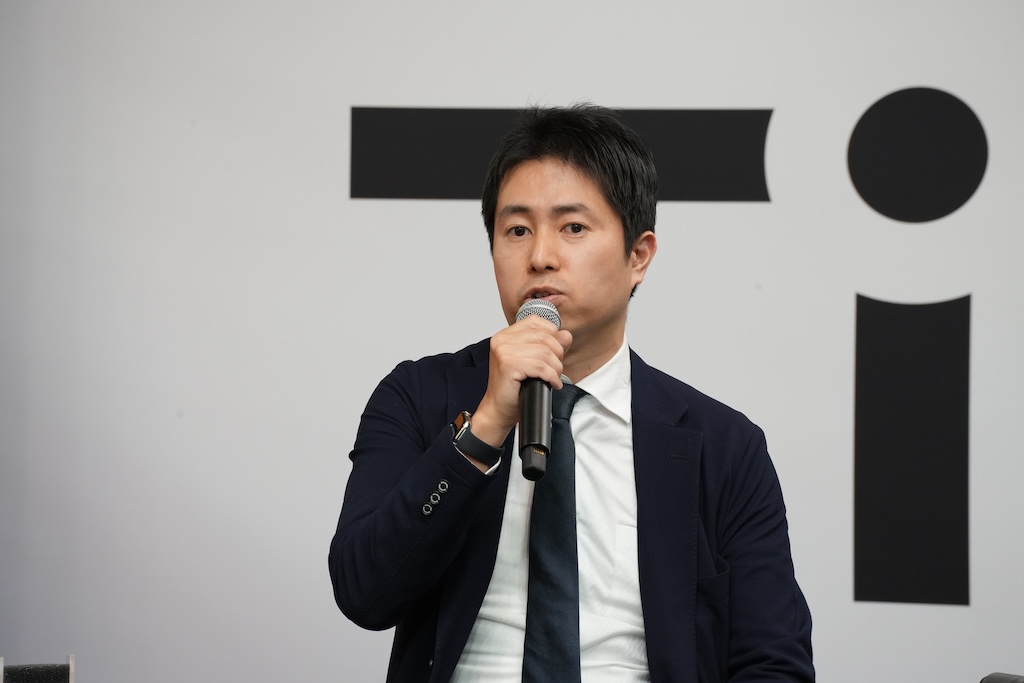
Hakusu: To realize a "digital" world without wiring, we develop, manufacture, and sell microwave wireless power transfer (WPT) equipment. We contribute to improvements in implant devices based on medical needs. Radio wave regulations are quite complex both domestically and internationally, and we utilized Deloitte's network for research and discussions.
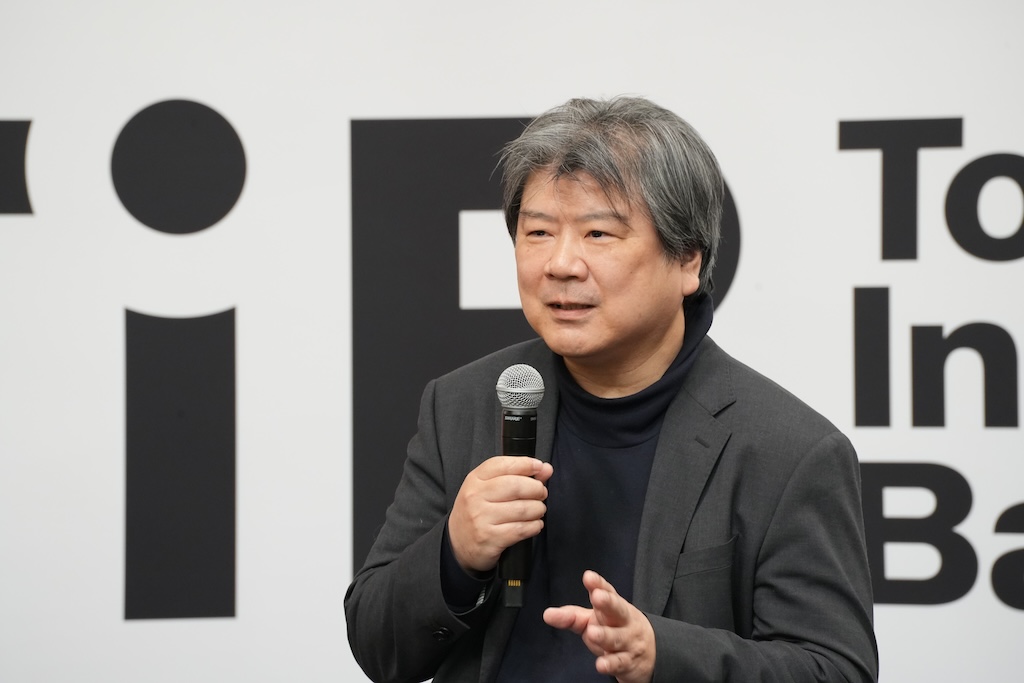
Hasegawa: We are developing industry-leading proprietary AI characterized by its ability to visualize conclusions and reasoning, as well as perform transfer learning to other AI systems, using unsupervised online learning techniques. Because we are so focused on technical prowess, we felt challenged in creating a business plan that resonates with investors and customers, and your support was greatly appreciated.
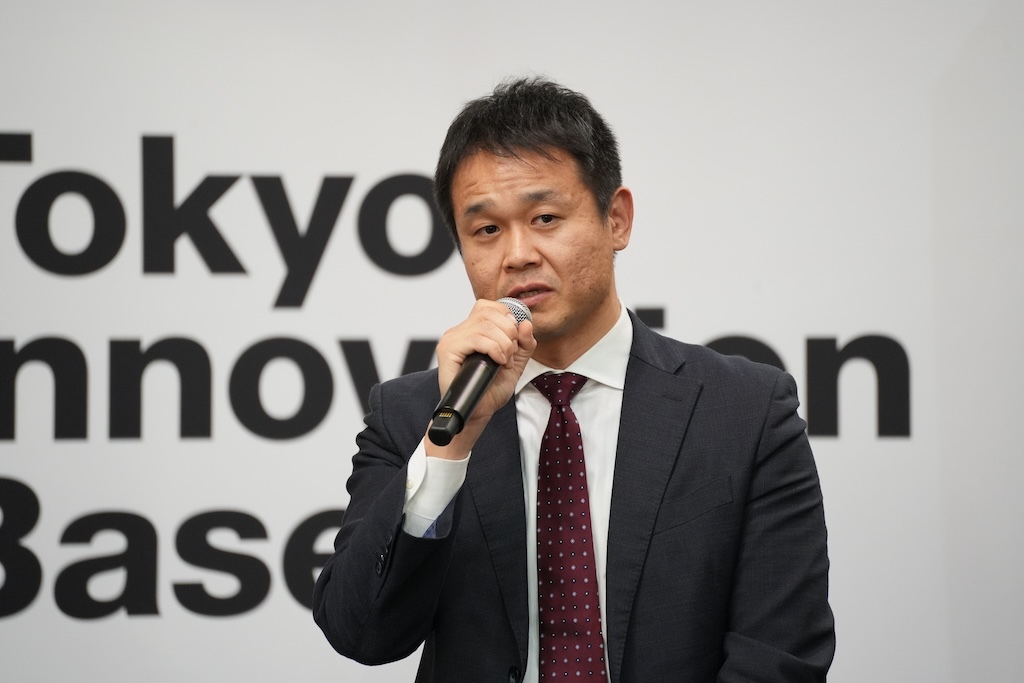
Nakamura: We are developing and commercializing a low-temperature, low-pressure ammonia synthesis process to hedge supply chain risks—including improving food security—and achieve decarbonization. As our company expanded and diverse cultures and backgrounds emerged, we enlisted assistance to rebuild our Mission, Vision, and Values to align everyone's direction.
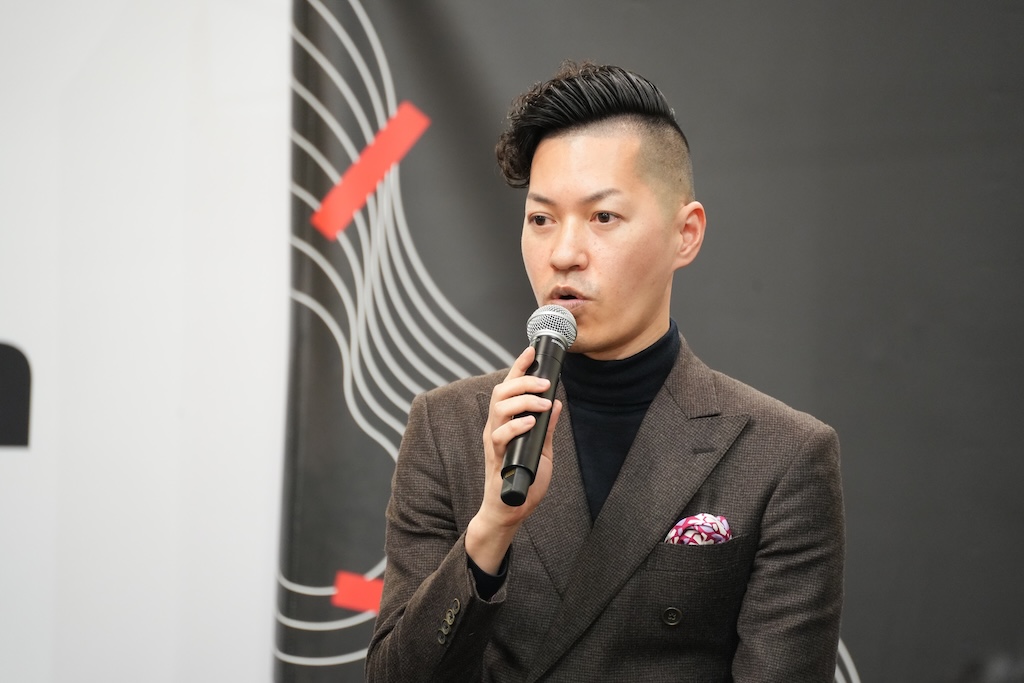
Taguchi: Key to safely and sustainably realizing a decarbonized society lies in the design of fusion reactors and the development and provision of core technologies. Based on multi-stage demonstrations, we aim for full-scale commercialization after 2040. Building experimental facilities requires substantial land, so we compiled a list of municipalities willing to host fusion-related experiments.
Miyazawa: What kind of collaboration would you like to pursue with people from large corporations, venture capital firms, and startups?
Kita: I'd really like to talk with people who are struggling to reduce their CO2 emissions.
Hakusu: We aim to contribute to the SDGs through integrated HVAC solutions centered on our building management services.
Hasegawa: Before summer arrives—when energy savings are most significant—please try our free trial.
Nakamura: We are seeking partners to collaborate on demonstrating "what to do with the produced hydrogen."
Taguchi: While many say "after completion," we're looking for companies to partner with now, with an eye toward the next 5 to 10 years.
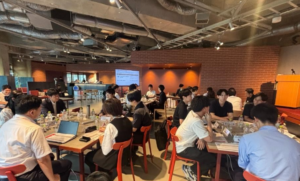
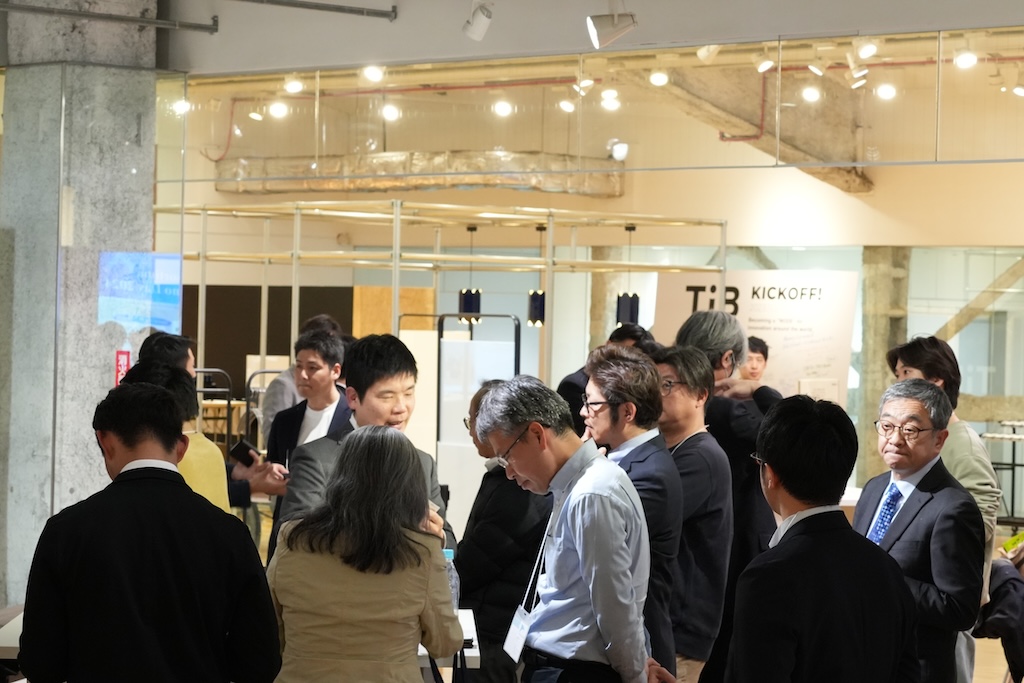
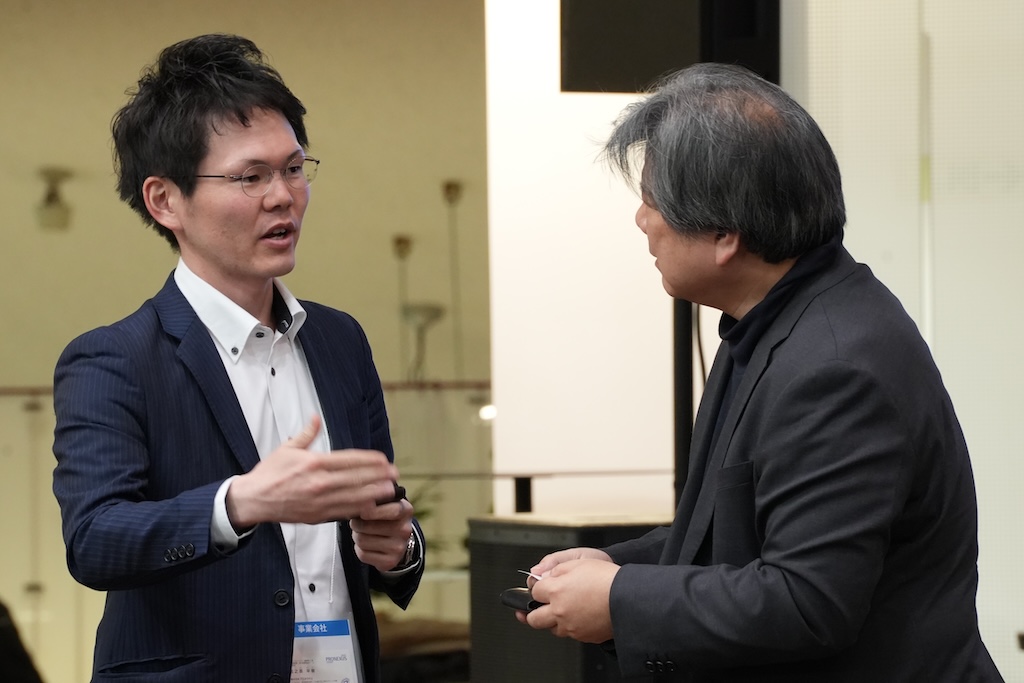
Networking Event
Participants' Voices
・ It was great to hear firsthand what kind of support startups actually need.
・ We were able to hear about the support provided by Tokyo Metropolitan Government and other support organizations, and found many parts very helpful.
The Tokyo Consortium will continue to fully support entrepreneurs to produce startups from Tokyo that will be the pride of the world. We sincerely appreciate your continued support.
Share the article